How to tell if your Bluffton home has hard water
You probably already know. The signs sit in plain sight:
- White or greenish crust on faucet aerators and showerheads
- Spots on glasses straight out of the dishwasher
- Soap that will not lather, and skin that feels tight after showers
- A water heater that pops, rumbles, or crackles as it heats
- Shower doors that fog with film no cleaner fully removes
Any two of those together means hardness minerals are moving through every pipe and appliance in the house, all day, every day.
The damage you can see is the cheap part
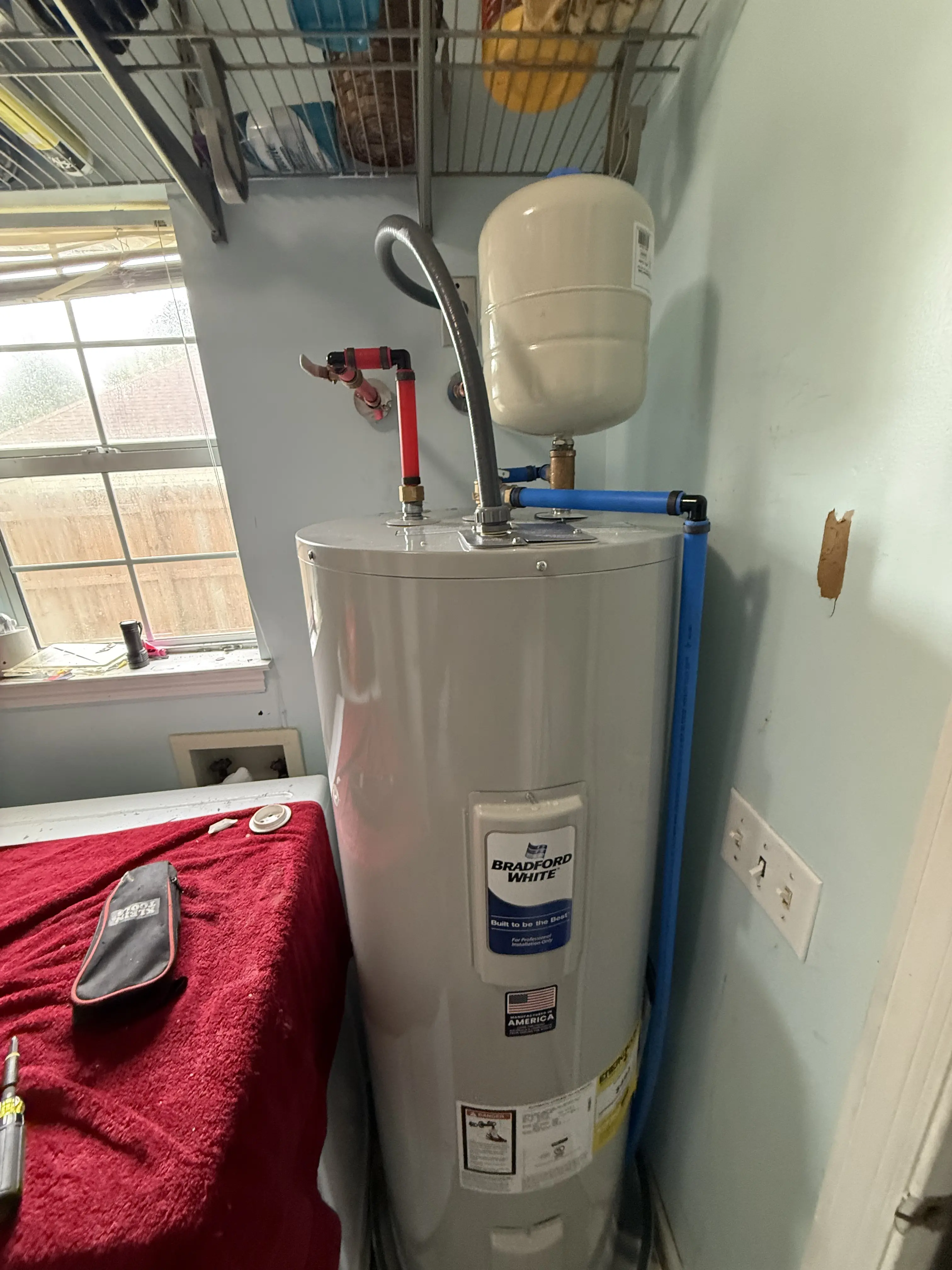
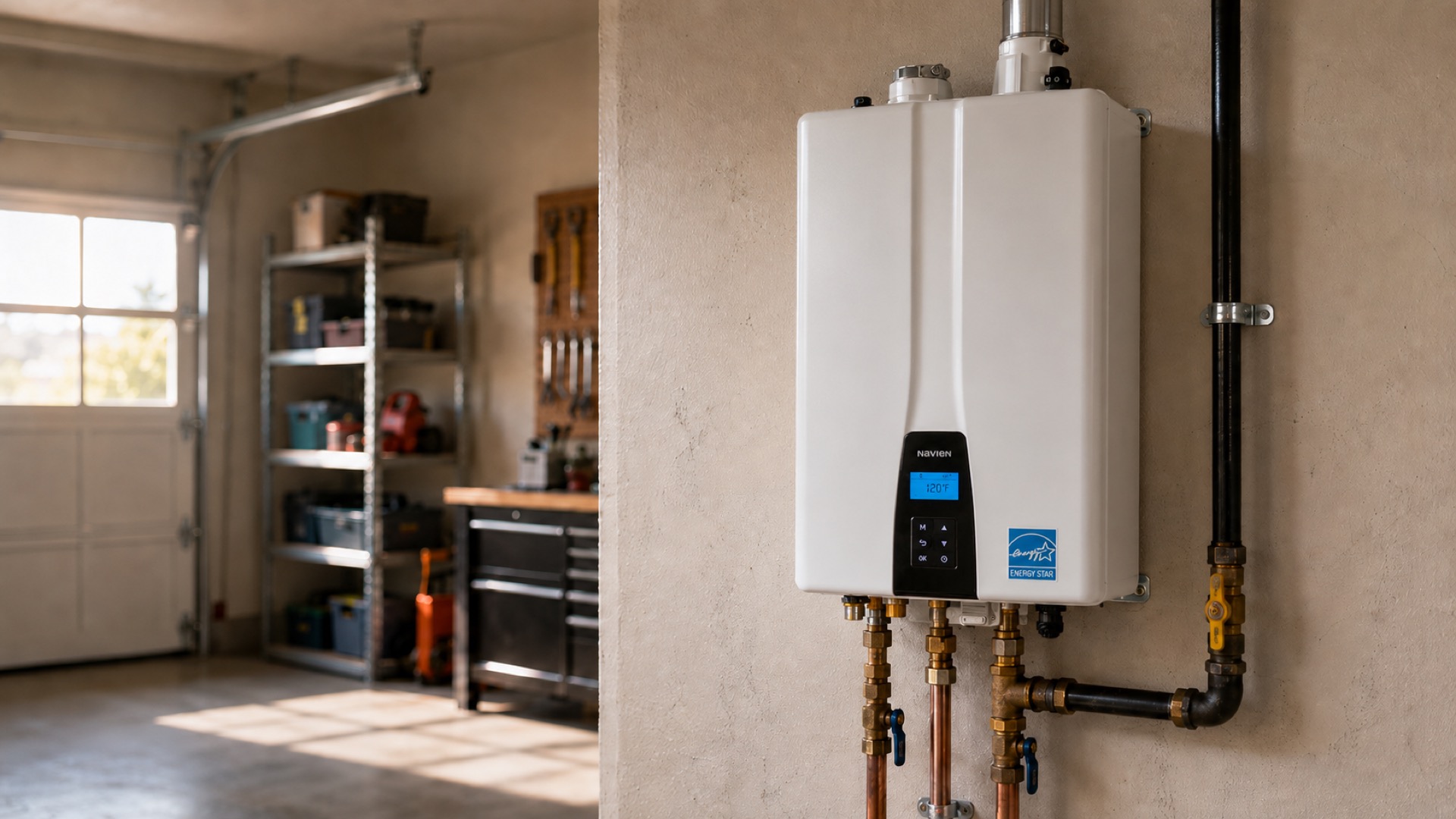
Crusty fixtures cost cleaning time. The expensive damage happens out of sight. The same minerals coating your showerhead are settling inside the water heater tank, where scale forms an insulating layer between the burner and the water. The popping sound older tanks make is water boiling through that layer. The heater works harder, costs more to run, and dies years earlier than its design life. Tankless units fare worse: scale chokes the heat exchanger, and a skipped annual flush voids most warranties. Hard water also shortens the life of dishwashers, washing machines, ice makers, and every rubber seal and cartridge in your fixtures.
Filter, softener, or whole-house system: what each one actually does
The terms get used interchangeably. The jobs are different.
- A filter removes chlorine, sediment, and contaminants. Water tastes and smells better. It does not touch hardness minerals.
- A softener targets hardness minerals, the scale-makers. Traditional softeners trade hardness for salt, which means hauling bags and flushing brine.
- A whole-house treatment system like the Halo units Prestige installs combines filtration with salt-free conditioning: one system at the point of entry, every tap in the house, no salt bags, no wastewater drain.
Prices are flat-rate and published: Halo whole-house systems at $2,475, traditional softeners at $3,169, carbon filtration at $1,565, and under-sink reverse osmosis for drinking water at $1,095. The full list lives on the water filtration page.
Start with the $125 test, not a sales pitch
Hardness varies house to house, and well water in Ridgeland behaves nothing like municipal water in Bluffton. A $125 water quality test measures what is actually coming out of your tap: hardness, chlorine, sediment. The recommendation follows the numbers. Sometimes the answer is the smaller carbon system, not the bigger softener, and the test results are yours either way.
The timing argument for newer homes
Counterintuitive but true: the best candidate for water treatment is a newer home, not an older one. Treatment installed before scale accumulates protects the water heater, the tankless unit, the fixtures, and the appliances from day one. In fast-growing areas like Okatie and the 278 corridor, a system installed at year two prevents the damage instead of slowing it at year eight. If you just bought new construction, this is the cheapest this fix will ever be.